
Jordan Peele Movies: Themes in Get Out, Us, and Nope
Spoiler note: this analysis discusses the endings and key twists of all three films.
Jordan Peele has directed three feature films — Get Out (2017), Us (2019), and Nope (2022) — and each one rewired what horror could talk about. Together they form one of the most analyzed bodies of work in modern American film: social horror where the scare is also an argument. This guide traces the themes that run through all three, and what changes from film to film. For the wider context of Black filmmakers reshaping genre, see our guide to Black representation in film.
1. Get Out (2017): Race, Liberal Racism, and the Sunken Place
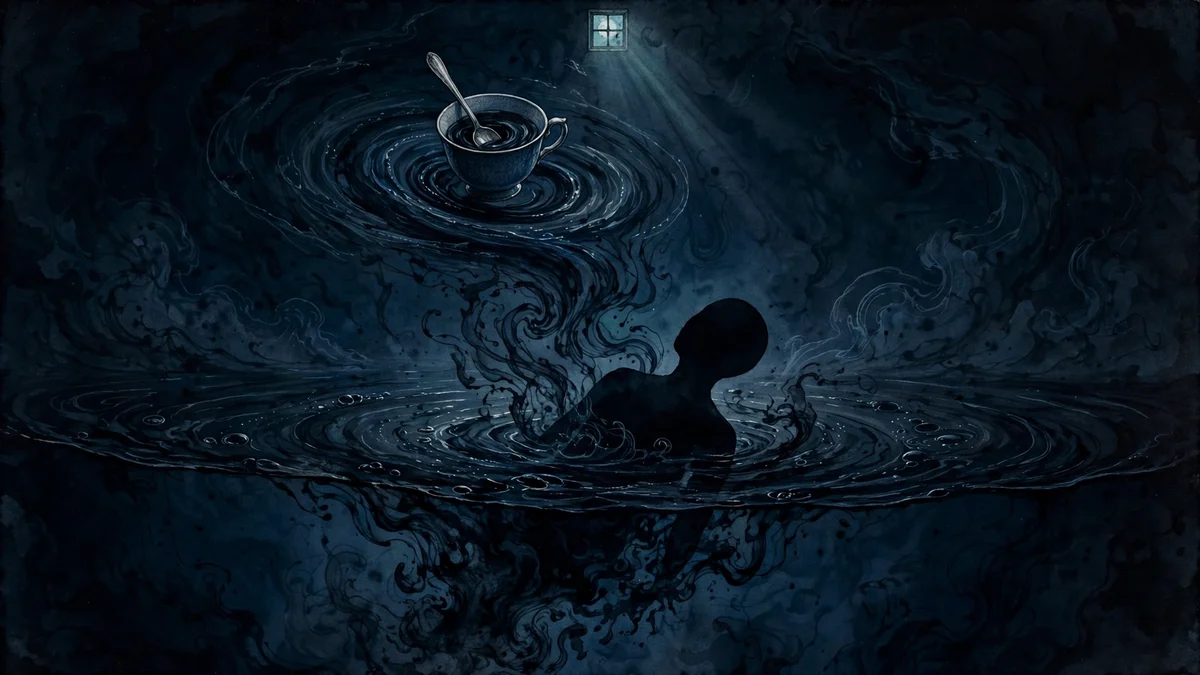
Peele’s debut, made for $4.5 million and grossing over $255 million worldwide, won him the Academy Award for Best Original Screenplay. Chris Washington (Daniel Kaluuya) visits the family estate of his white girlfriend Rose, where every polite conversation curdles a little further: the compliments about his body, the party guests who appraise him like property, the auction conducted as small talk. The horror is literalized in the Coagula procedure, in which wealthy white buyers transplant their consciousnesses into Black bodies, and in the Sunken Place — the void where the victim’s consciousness remains, aware, watching their own body be used.
The film’s great insight is that its villains are not hooded bigots but smiling liberals, and that racism in America often arrives as a compliment. Hypnosis, the teacup, and the spoon become instruments of control: the everyday rituals of politeness turned into a mechanism for erasure. Comedy is the pressure valve — Rod, Chris’s friend, keeps the film human and keeps the audience breathing — but the ending refuses comfort. Chris escapes, but the film never lets the viewer forget how narrow the escape was. Get Out also reframed the genre: it proved a horror film built entirely around the Black experience could be both a box-office phenomenon and an Oscar winner.
2. Us (2019): Duality, Class, and the Tethered
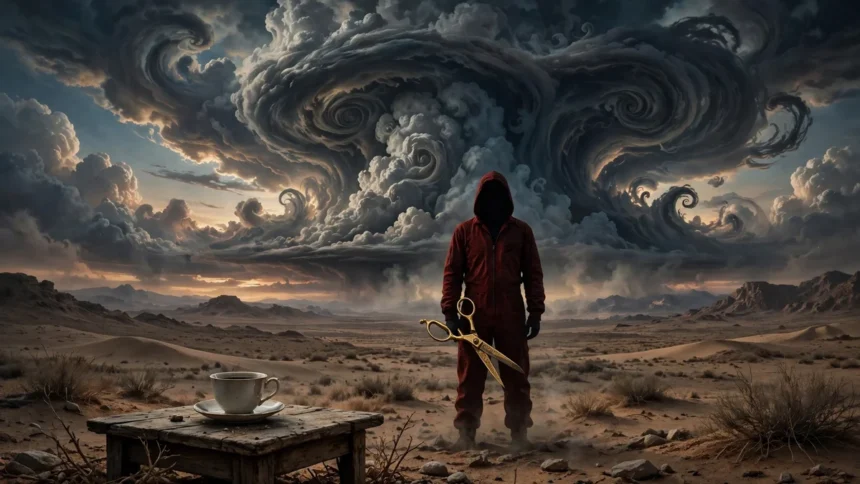
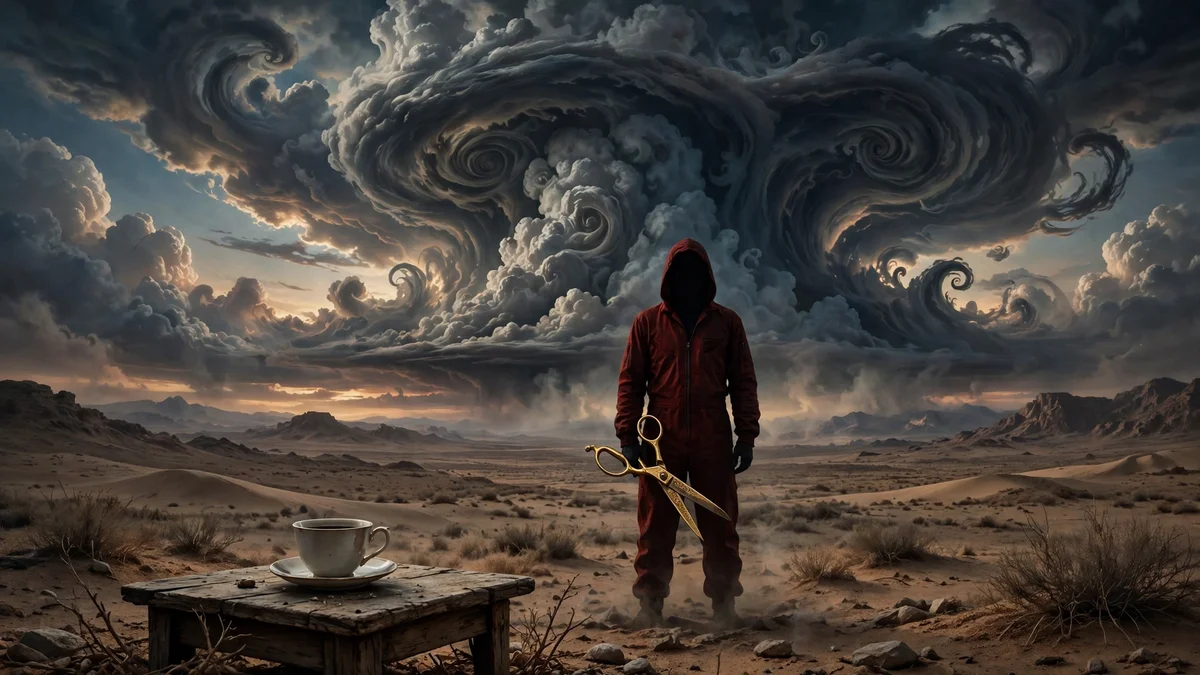
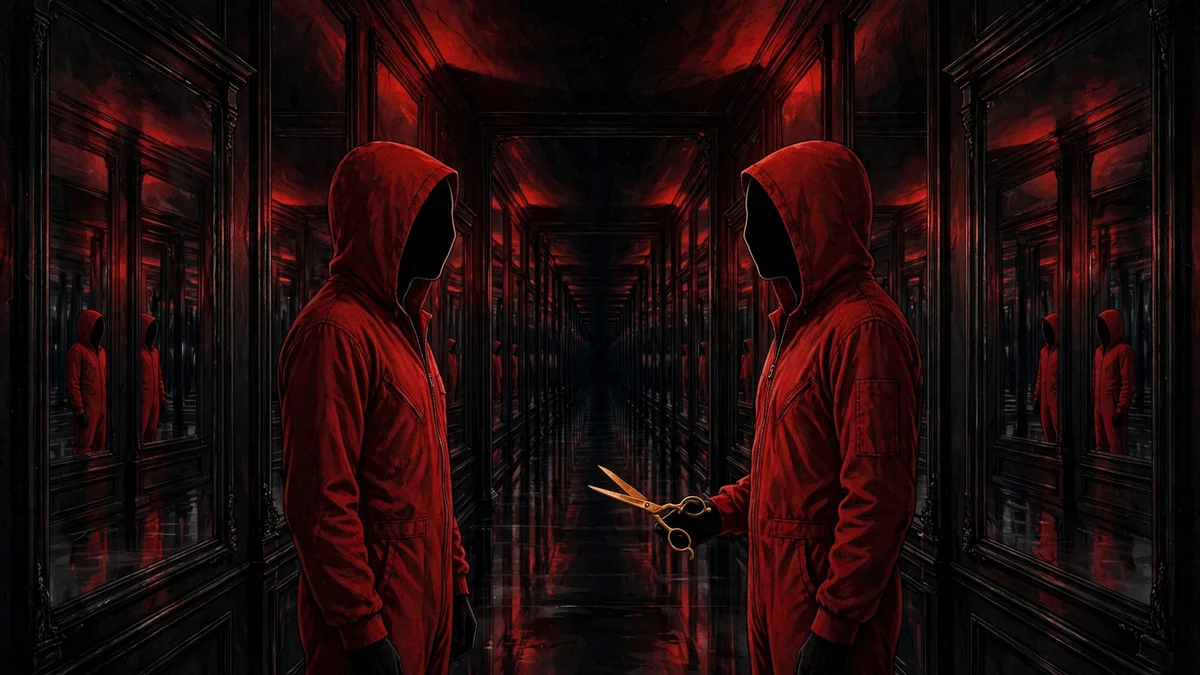
If Get Out is about being seen as a body to use, Us is about the self you refuse to see. Adelaide Wilson (Lupita Nyong’o) returns with her family to a Santa Cruz beach house and is confronted by the Tethered: underground doubles, dressed in red jumpsuits and carrying golden scissors, who have lived in the tunnels beneath America, mimicking the lives above. The film’s central image — a line of doubles holding hands across the country, echoing the 1986 Hands Across America charity event — is both a visual joke and an accusation: prosperity in America has always had an underclass holding it up.
Us is Peele’s puzzle-box film, and its twist reframes everything: the Adelaide we have followed is herself one of the Tethered, switched in childhood. Duality runs through every layer — the Wilsons and their doubles, the surface and the tunnels, the rabbits in cages that open the film. Where Get Out’s theme is explicit, Us works by metaphor, and its horror is the recognition that the monster and the heroine were never separate. The film grossed over $255 million, matching its predecessor, and confirmed that Peele’s audience would follow him into stranger territory.
3. Nope (2022): Spectacle, Exploitation, and Who Gets to Look
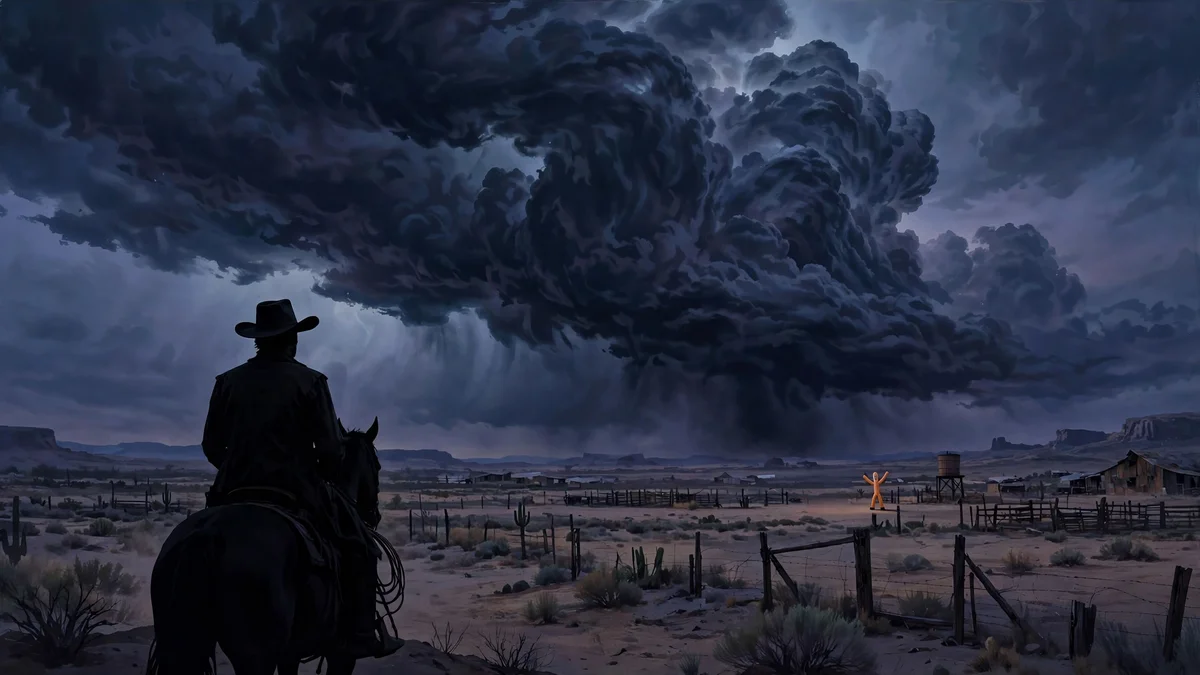
Nope is Peele’s biggest canvas and his most elliptical film. OJ and Emerald Haywood (Kaluuya and Keke Palmer), siblings running the only Black-owned horse-training ranch in Hollywood, try to capture proof of a strange presence in the sky above their gulch. The creature, nicknamed Jean Jacket, turns out to be a territorial predator that hides inside a cloud — and the film becomes a western about the cost of looking. The Haywoods’ ancestor, they claim, was the unnamed Black jockey in Eadweard Muybridge’s 1878 motion studies, the first moving image: Black labor at the origin of cinema, uncredited then as now.
Every thread in Nope is about spectacle and who it eats. Ricky “Jupe” Park (Steven Yeun), a former child star, survived a chimpanzee attack on a sitcom set and now runs a roadside attraction, selling the trauma back to audiences. A cinematographer arrives to film the creature and is consumed by the shot he wants. The film’s argument is in its form: shot in IMAX, it gives audiences the vast, beautiful spectacle it is warning them about, and asks what the appetite for it costs. Nope grossed over $171 million, and its ending — the siblings survive by refusing to look directly, by turning the camera into a tool rather than a trap — is the trilogy’s most hopeful image.
The Themes That Connect All Three Films
Seeing and being seen
Eyes recur everywhere: the hypnosis in Get Out, the mirrors and masks in Us, the cameras and the creature that attacks anyone who looks at it in Nope. Peele’s films ask who gets to watch and who is watched, and what happens when the watched look back.
Doubles and the divided self
Every Peele protagonist is split: Chris in the Sunken Place, Adelaide and Red, OJ and Emerald as two halves of one inheritance. The double is never just a monster; it is the part of American life the surface world pretends is not there.
Class, not just race
Get Out’s villains are rich. The Wilsons in Us are precariously middle class, one bad summer from the tunnels themselves. The Haywoods are scrappy entrepreneurs fighting a Hollywood economy that has always underpaid them. Race operates at a different level of visibility in each film, but class is the pressure underneath all three.
Animals as metaphor
The deer in Get Out, the rabbits in Us, the horses in Nope: Peele consistently links his Black protagonists to prey animals rather than predators, reversing horror’s oldest habit of coding Blackness as monstrous. The predators in his films are white families, institutions, and a sky full of appetite — never the Black hero.
Comedy as a survival tool
Rod’s phone calls, the Wilsons’ bickering, Emerald’s hustle: humor keeps Peele’s films human. The jokes are never relief from the horror; they are how his characters survive it.
Beyond the Trilogy: Monkeypaw Productions
Through his company Monkeypaw Productions, Peele has also produced and championed other filmmakers’ horror, including Nia DaCosta’s Candyman (2021) and Henry Selick’s stop-motion Wendell & Wild (2022). The through-line is the same: genre as a place where Black stories, and stories about who America watches and who it ignores, get told at full scale. His influence shows up across the genre, including in films like Ryan Coogler’s Sinners, which our Sinners and Black history analysis reads through a similar lens of horror as history. For the horror shelf behind all of this, see our Black horror books and authors guide.
Where to Start With Jordan Peele
Start with Get Out: it is the sharpest, the most self-contained, and the one that explains everything after it. Then Us, for the film that rewards a second viewing most. Then Nope, on the biggest screen you can find — it is a film about spectacle that earns its scale. And if you want a double feature that shows his influence at work, pair Nope with our best Black movies on Netflix roundup for what to watch next.
Watch the Trailer
Watch the official trailer for Nope, from Universal Pictures:
Sources and Further Reading
The filmography, budgets, grosses, and Oscar result cited here are drawn from Jordan Peele’s filmography on Wikipedia and contemporary reporting, including RogerEbert.com’s review of Get Out. Read both for the critical conversation these films continue to generate.