
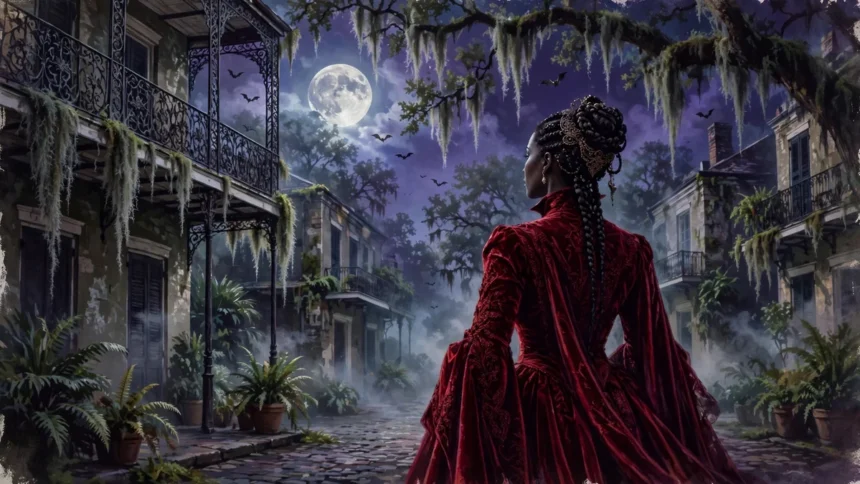
Black Vampire Books: 10 Reads by Black Authors
The vampire is one of horror’s oldest figures, but in the hands of Black authors it becomes something sharper: a way to write about power, bloodlines, survival, and who gets to be the monster and who gets to be the meal. If you came here asking what are the best Black vampire books, this list is your starting point, from a 1991 classic that rewrote the myth from scratch to new young adult novels reclaiming it for a new generation. For a wider view of the genre these books sit in, start with our guide to fantasy books by Black women authors.
Why Black Vampire Fiction Hits Differently
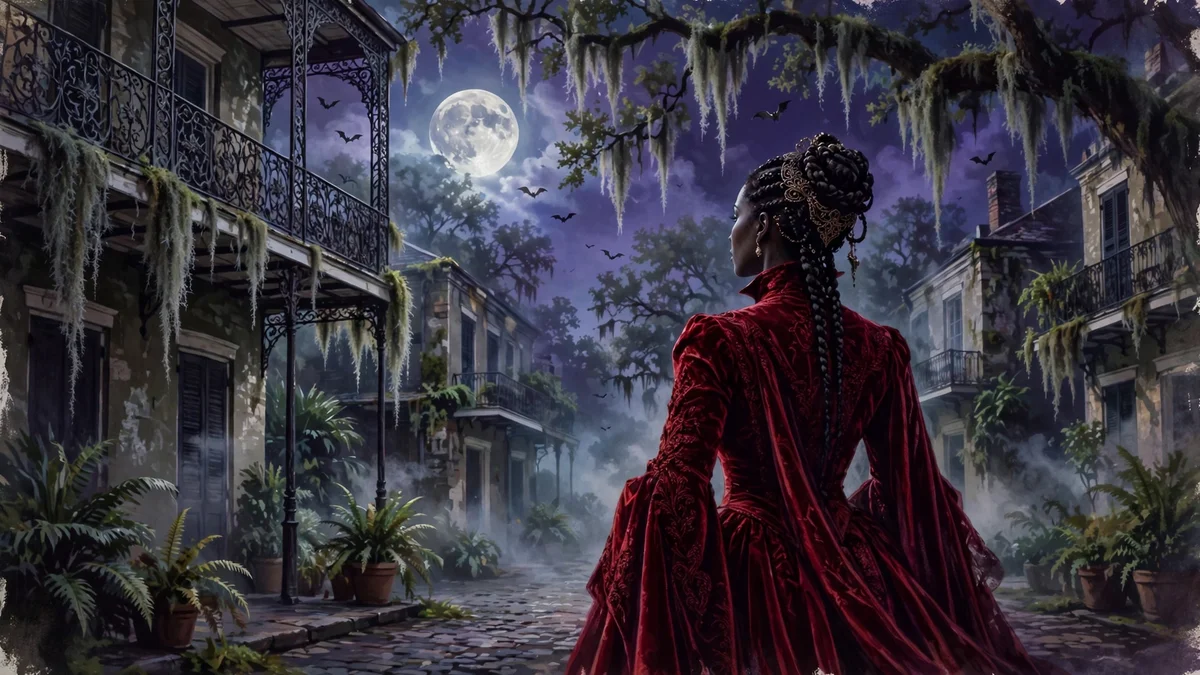
Traditional vampire stories usually center a white, aristocratic, male count. Black writers strip that default away and ask harder questions. What does immortality mean when your ancestors were treated as property? What does blood mean when lineage was deliberately broken? The vampire’s hunger becomes a metaphor for extraction, and the vampire’s outsider status becomes a way to write about moving through a world that already treats you as other. That is why so many of these books pair the supernatural with real history: slavery, the Great Migration, the Harlem Renaissance, the juke joint. Our analysis of Sinners and Black history explores the same idea on screen, and several books below make natural companion reads to that film.
1. The Gilda Stories by Jewelle Gomez (1991)
Start here. The foundational text of Black vampire fiction follows a young Black woman who escapes slavery in 1850s Louisiana and is taken in by Gilda, a vampire who runs a brothel. Across two centuries, the unnamed protagonist takes Gilda’s name and builds chosen family in the margins of American life. Gomez, a Black lesbian feminist writer, deliberately rebuilt the vampire myth around Black, queer, working-class life. It is lyrical, political, and still startling. Content note: the novel includes depictions of slavery-era violence and trauma.
2. Fledgling by Octavia E. Butler (2005)
Butler’s final novel is her strangest. Shori wakes with no memory, ravenously hungry, in a forest. She is one of the Ina, a vampire-like species, genetically modified to walk in daylight — and she appears to be a ten-year-old Black girl while actually being fifty-three. The novel turns into a mystery and courtroom drama as Shori’s family is murdered and rival Ina families put her on trial. It is a book about symbiosis, consent, and the racism encoded even in vampire bloodlines. For adult readers: Fledgling is Butler’s most debated book, and its depiction of sexuality involving a protagonist who looks like a child is the reason why. Read it knowing that going in. Pair it with our guide to Black horror books and authors for more of Butler’s lineage in the genre.
3. Minion by L.A. Banks (2003)
The book that launched the twelve-volume Vampire Huntress Legend series. Damali Richards is a spoken-word artist and vampire huntress, a Black heroine leading a team of guardians against a vampire mastermind in a millennial, music-soaked urban fantasy. Banks built one of the longest-running Black-led paranormal series in publishing, blending action, romance, and a fully developed supernatural war. Start with Minion (published as The Awakening in some editions) and keep going if the world hooks you.
4. My Soul to Keep by Tananarive Due
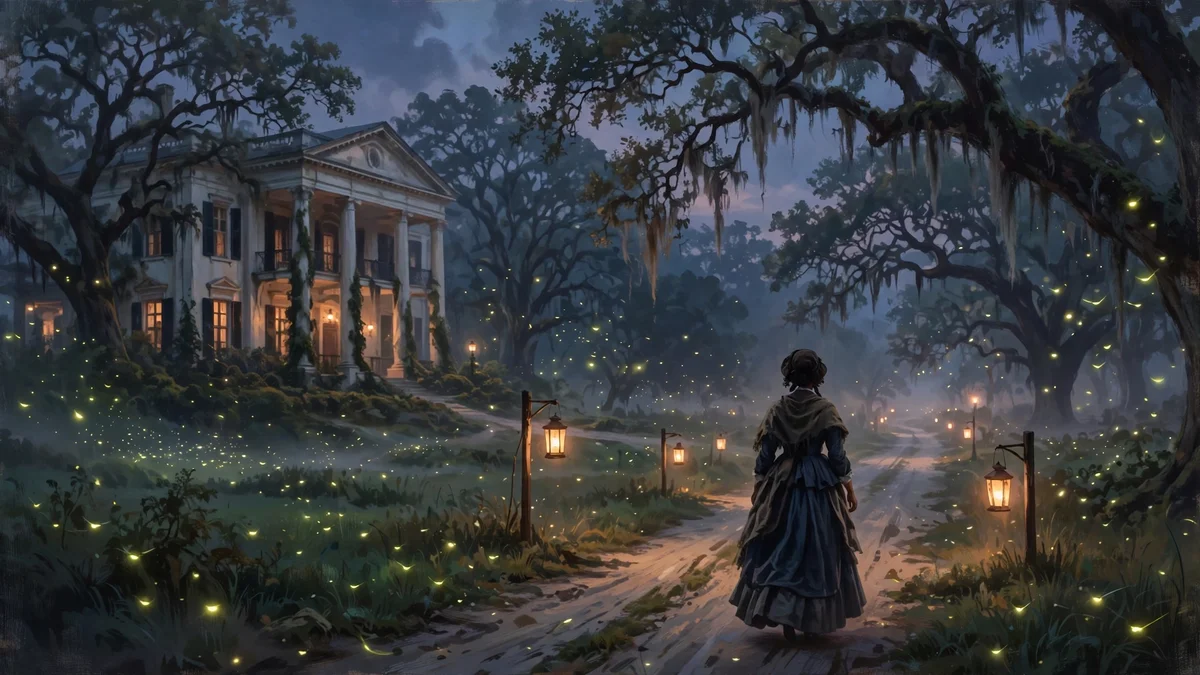
Almost a vampire book, but not quite — and essential anyway. Jessica, a Miami Herald reporter, discovers her husband David is five hundred years old, a member of an Ethiopian brotherhood of immortals whose long life can be passed on through blood. Due’s African Immortals series reframes immortality through African history and spirituality rather than European castles, and it asks what a centuries-long life does to love, family, and faith. If you like your horror rooted in history, Due is required reading.
5. Dark Corner by Brandon Massey (2004)
Vampires come to a small Mississippi town, and a Black couple returning home finds the past is not done with them. Massey writes horror with a thriller’s pace, and Dark Corner is a good pick if you want your vampire fiction scary first and literary second. It is also a reminder that Black horror has a long paperback tradition beyond the literary canon.
6. House of Hunger by Alexis Henderson (2022)
A gothic vampire novel with teeth. Marion, desperate to escape poverty, takes a job as a bloodmaid in the opulent House of Hunger, where the aristocracy feeds on young women. Henderson builds a lush, cruel world of class and appetite, and the book works as both a gothic romance and a story about who gets consumed so others can live well. Read it for the atmosphere; stay for the way it turns the vampire’s table into a class system.
7. This Ravenous Fate by Hayley Dennings (2024)
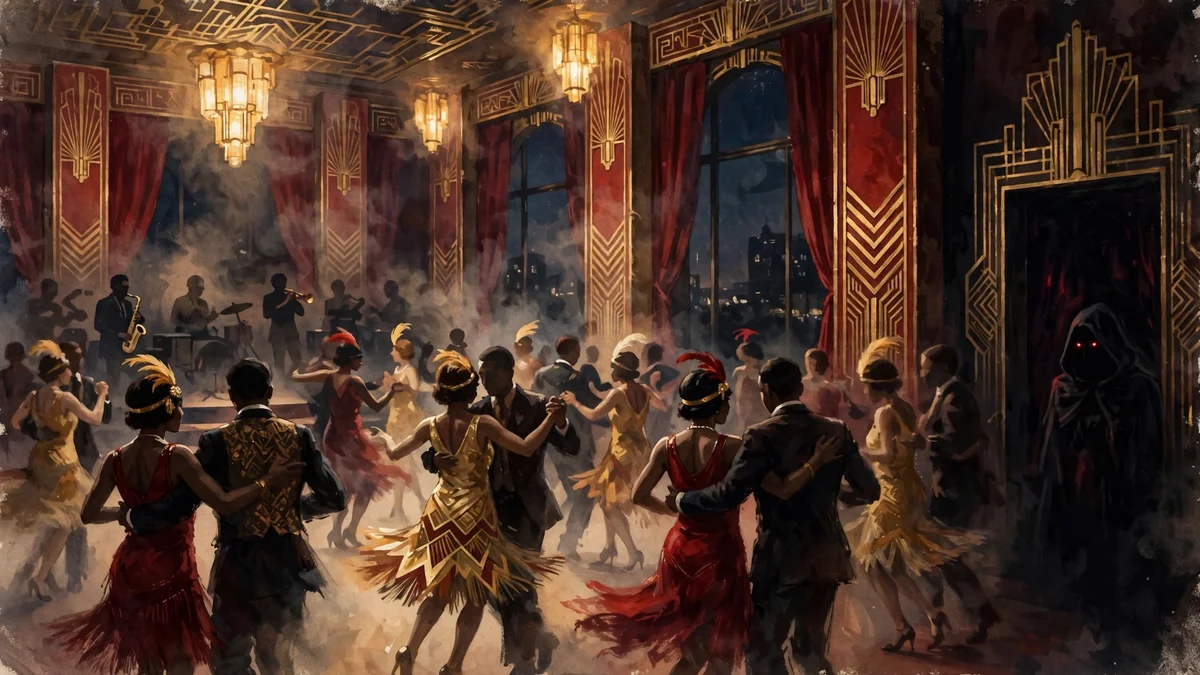
A New York Times bestseller set in 1926 Harlem, where reapers — once-human vampires with a terrifying affliction — stalk the dance halls. Elise Saint, heir to a vampire-hunting weapons empire, returns from Paris and must team up with Layla, her former friend turned vampire, to solve a string of murders. Sapphic, stylish, and steeped in Harlem Renaissance detail, it is the newest classic on this list and the first of a duology. For more young adult picks in this lane, see our list of Black YA fantasy books.
8. Immortal Dark by Tigest Girma (2024)
The first book of the Immortal Dark trilogy follows Kidan Adaneh, who leaves her life behind to infiltrate a house of vampires at a university, hunting the vampire she believes is connected to her sister’s disappearance. Girma draws on Ethiopian legend and gothic atmosphere, and the book’s mix of dark academia and vampire politics made it an immediate standout in YA horror.
9. Slay: Stories of the Vampire Noire, edited by Nicole Givens Kurtz
An anthology built to answer a simple complaint: vampire fiction kept centering the same faces. Slay gathers stories of the Vampire Noire — Black vampires across eras, tones, and subgenres, from horror to romance to Afrofuturism. Anthologies are the fastest way to find your next favorite author, and this one doubles as a map of the field.
10. Vampires Never Get Old: Tales with Fresh Bite, edited by Zoraida Córdova and Natalie C. Parker (2020)
Eleven fresh vampire stories from young adult fiction’s leading voices, including Dhonielle Clayton’s Southern Gothic “The House of Black Sapphires,” set in a New Orleans populated by immortals, where a Black mother and her daughters are saved from white vampires by becoming Eternals. The anthology deliberately upends the default vampire — predominantly white, male, and straight — and Clayton’s story is the one readers keep coming back to. If you read one story tonight, make it that one.
Where Should You Start?
New to the field: read The Gilda Stories first, then Fledgling. Want something current: This Ravenous Fate or Immortal Dark. Want a series to live in: the Vampire Huntress Legend books. Want a single evening: either anthology. And if Sinners left you hungry for more, the read-alike list in our books like Children of Blood and Bone guide covers the wider fantasy shelf these horror titles sit beside.
Sources and Further Reading
The history and reading order here draw on Reactor’s roundup of underrated books about Black vampires and The Gilda Stories on Wikipedia, alongside publisher listings for the titles above.
Frequently Asked Questions
Are there Black vampire books for young adult readers?
Yes. Immortal Dark, This Ravenous Fate, and the Vampires Never Get Old anthology are all published for YA readers, and several others on this list cross over. Check content notes for the adult titles, especially Fledgling.
What is the first Black vampire novel?
The Gilda Stories (1991) by Jewelle Gomez is widely regarded as the foundational Black vampire novel, though vampire figures appear in earlier Black speculative fiction, including Octavia Butler’s short fiction and the novel Mind of My Mind (1977).
Is Sinners based on a book?
No. Sinners (2025) is an original film by Ryan Coogler, not an adaptation. The books on this list are companion reads, not source material.