
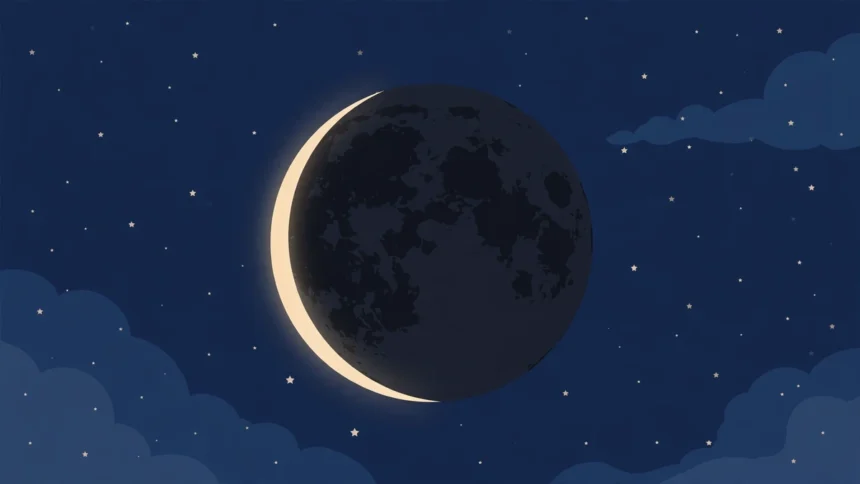
Waning Crescent, Russian Flag and Dominican Flag Emojis
Three emojis, three very different jobs. The waning crescent moon 🌘 sets a mood, the Russian flag 🇷🇺 names a country, and the Dominican flag 🇩🇴 does the same for a Caribbean nation. Yet people keep looking them up together, because all three are the kind of symbol you want to get right before you send it. This guide explains what each one shows, where it comes from, and how people actually use it.
Like the texting abbreviations in our guide to WTD, IDM and more, these emojis carry more meaning than their size suggests. A moon can mean the night, a mood, or a date on a calendar, and a flag can mean a birthplace, a holiday, or a team you support.
What the Waning Crescent Moon Emoji Means
The waning crescent moon emoji 🌘 shows the moon as a cratered disc with only a thin crescent of light along its left edge and the rest of the disc in shadow. It is Unicode U+1F318, the last phase of the moon before the new moon: the lit part has been shrinking night after night until only a sliver remains. Emojipedia lists its uses as the moon generally, nighttime, outer space, and astronomy, and also to convey enchanting or eerie feelings (Emojipedia: Waning Crescent Moon).
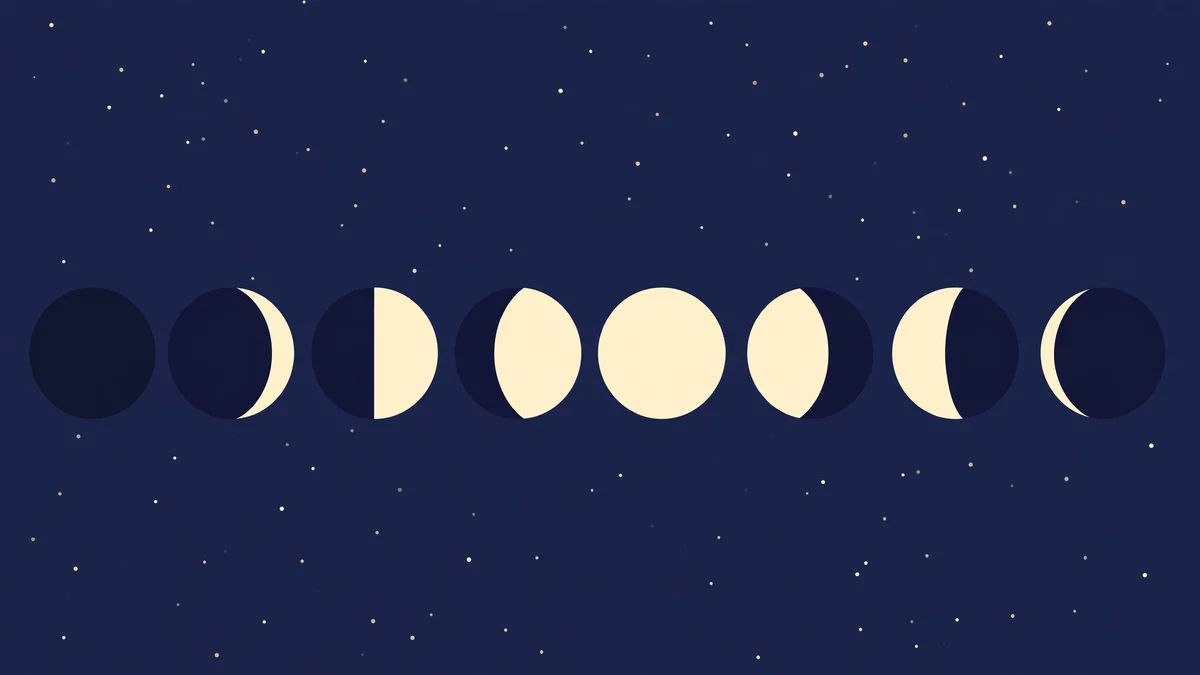
Do not confuse it with its mirror image, the waxing crescent 🌒, lit on the right, which shows the moon growing after a new moon. The side of the light is the whole difference: in the Northern Hemisphere, a moon lit on the left is shrinking and a moon lit on the right is growing.
People reach for 🌘 for nighttime and winding down, for sleep and goodnight messages, for astronomy and moon-phase sequences, and for a quiet, reflective, or slightly mysterious mood.
One practical note: plenty of people search for the “waning cresent emoji” with one s, but the correct spelling is crescent, with sc after the e. Our guide to vender or vendor and more spelling questions sorts out several lookalike pairs the same way. Type the search either way and you will usually land on the right emoji, but spell it with sc when you write it out.
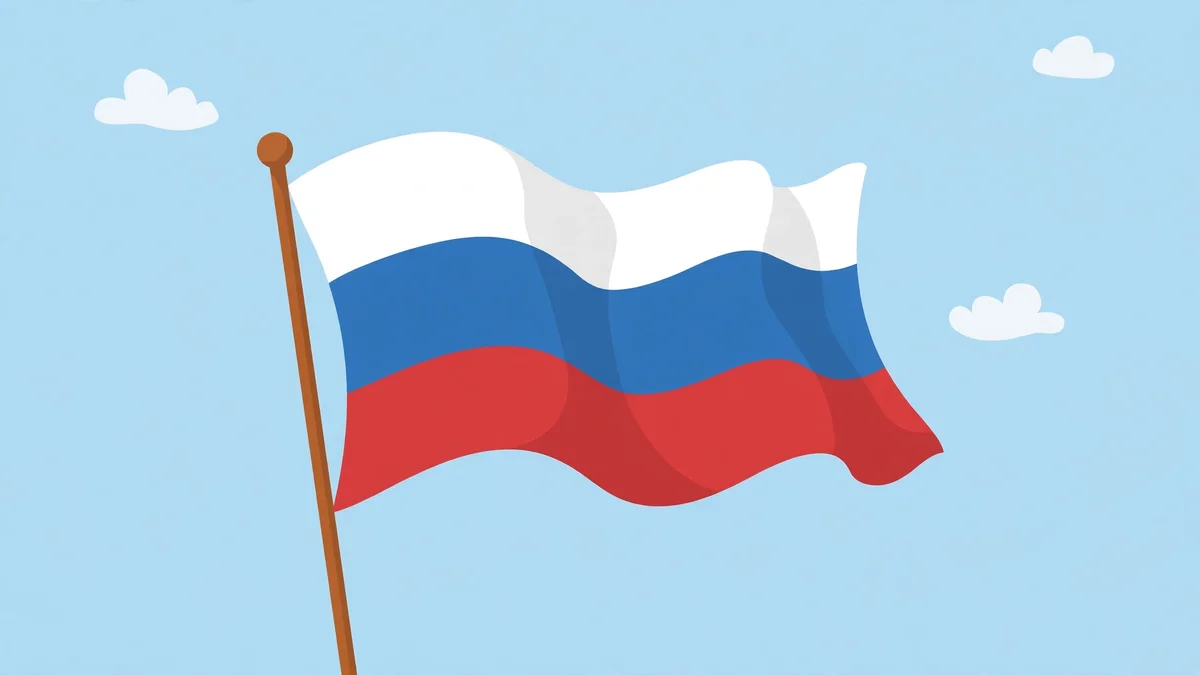
Russian Flag Emoji
The russian flag emoji 🇷🇺 shows the national flag of Russia: three equal horizontal stripes, white on top, blue in the middle, and red at the bottom. It is a flag sequence made from two regional indicator letters, R and U, which spell RU, the country code for Russia (Emojipedia: Flag Russia).
The tricolour has deep roots. It is credited to Peter the Great, who adopted it in the late 17th century, and the current design was adopted on 22 August 1991, in the final months of the Soviet Union. The colours are commonly read as white for nobility and honesty, blue for loyalty and faith, and red for courage and love.
People use 🇷🇺 to mark Russian nationality, language, culture, and travel, and to cheer on Russian athletes, musicians, and teams. On some platforms, including Windows, it may show as the letters RU instead of a flag.
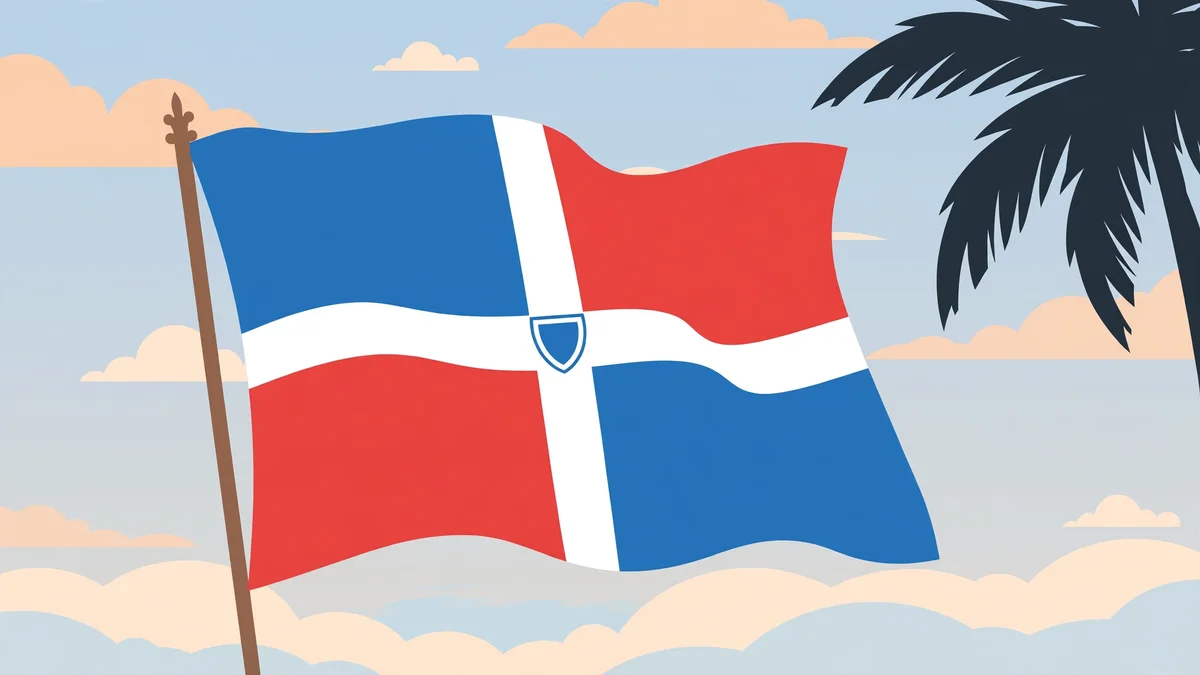
Dominican Flag Emoji
The dominican flag emoji 🇩🇴 shows the national flag of the Dominican Republic: a white cross dividing the flag into four quarters, blue and red in alternation, with the national coat of arms at the centre. Like the Russian flag, it is built from two regional indicator letters, D and O, spelling DO, the country code for the Dominican Republic (Emojipedia: Flag Dominican Republic).
The design dates to independence in 1844. It was designed by Juan Pablo Duarte, one of the country’s founding fathers, and first hoisted on 28 February 1844. The usual reading of the colours is blue for liberty, white for salvation, and red for the blood of heroes. The coat of arms shows a shield with an open Bible, under a small cross, with the motto Dios, Patria, Libertad — God, Homeland, Liberty. The Bible is open at John 8:32, “and the truth shall set you free,” which makes this the only national flag in the world that depicts a book of scripture (Wikipedia: Flag of the Dominican Republic).
People use 🇩🇴 for Dominican identity and pride, for travel and holidays, for music such as merengue and bachata, and for baseball, the country’s most loved sport. One mix-up is worth avoiding: the Dominican Republic is not Dominica, a separate English-speaking island nation with a green flag, whose emoji is 🇩🇲.
How Flag Emojis Are Made
Flag emojis work differently from picture emojis such as 🌘. A moon emoji is one character with one code point. A flag emoji is two characters that your phone or app draws as one flag: a pair of regional indicator letters, A to Z, spelling a two-letter country code from the ISO 3166-1 alpha-2 standard — RU for Russia, DO for the Dominican Republic. When a pair matches a real country code, supported platforms render the flag. When it does not, or when the platform has no flag artwork, you see the two letters instead.
How to Use These Three Emojis
Use the waning crescent for the end of the day rather than the start of it. It fits goodnight messages, late-night thoughts, and posts about rest, reflection, or closing a chapter. If you want the caption to match the mood, our words for happiness, from content to ecstatic, can help you pick the right strength of feeling. Do not use 🌘 for a bright, cheerful morning post: its darkness is the point.
Use the flags where nationality is the point. Put 🇷🇺 or 🇩🇴 in a bio to say where you are from, in a travel post to say where you went, or beside a team, an artist, or a dish to say where it comes from. A sentence that says why the flag is there does the work the symbol alone cannot.
Above all, read the context, not just the symbol. The same flag can mean pride, travel, or support depending on the sentence around it, and the same moon can mean the night sky or a mood. Context decides the meaning, just as it does with texting slang: our guide to WYFF, tweaking, and more slang meanings shows how one abbreviation can carry four live readings, and emojis behave the same way.
Quick Answers
- Waning crescent moon 🌘: Unicode U+1F318. A dark disc with a thin crescent of light on the left, the last moon phase before the new moon. Means nighttime, winding down, or a quiet, reflective mood.
- Russian flag 🇷🇺: R + U (U+1F1F7 U+1F1FA). White, blue, and red horizontal stripes; current design adopted 1991. Means Russia: nationality, language, culture, travel, or sport.
- Dominican flag 🇩🇴: D + O (U+1F1E9 U+1F1F4). A white cross over blue and red quarters, with an open Bible at the centre; designed by Juan Pablo Duarte, first hoisted 1844. Means the Dominican Republic: identity, travel, music, or baseball.
- Why do flags sometimes show as letters? Flag emojis are pairs of regional indicator letters, not pictures. On platforms without flag artwork, such as Windows, RU or DO appears instead.
- How do you spell it? Crescent, with sc. The search spelling “waning cresent emoji” is a common misspelling.
Three small symbols, three different stories: a moon finishing its cycle, a tricolour with three centuries behind it, and a flag that carries a Bible at its centre. Send each one with its story in mind and it will say exactly what you meant. If you like sorting out lookalike words and symbols, our guide to silk vs satin and more everyday comparisons works the same way, one clear difference at a time.